Understanding the psychological tricks behind gambling addiction
The Allure of the Risk
The thrill of gambling often stems from the adrenaline rush associated with risk-taking. This psychological stimulation can lead to a heightened state of arousal, making individuals crave that rush even more. For many, the anticipation of winning can create an intoxicating effect, making losses feel trivial in comparison to the potential for a big win. This risk-reward dynamic is a key aspect of gambling addiction. Players also have the chance to experience the Chicken Subway demo, enhancing their understanding of these psychological elements.

Moreover, the uncertainty of the outcome contributes to this allure. When people gamble, they often experience the «near-miss» phenomenon, where they come close to winning, which can reinforce their desire to continue playing. This cycle of hope and disappointment can easily lead to obsessive behavior, as each near-miss serves as a psychological trigger to gamble again.
The Role of Cognitive Biases
Cognitive biases significantly influence gambling behavior. One prevalent bias is the illusion of control, where individuals believe they can influence the outcome of a game, despite it being purely random. This belief can encourage players to take greater risks, as they feel more confident in their ability to win. Such biases can distort judgment, leading gamblers to make irrational decisions in pursuit of their next win.
Another common cognitive bias is the availability heuristic, where individuals recall their wins more vividly than their losses. This can create a skewed perception of reality, making gambling seem more rewarding than it actually is. As a result, gamblers may minimize their losses and magnify their wins, further entrenching their addiction.
The Impact of Variable Rewards
Variable rewards are a cornerstone of gambling mechanics and play a critical role in addiction. When players experience wins at unpredictable intervals, it creates a powerful reinforcement schedule that encourages them to continue gambling. This phenomenon is similar to how slot machines are designed; the unpredictability of winning keeps players engaged, often leading to prolonged sessions.
The psychological impact of variable rewards can lead to compulsive behavior, as players become conditioned to chase the next win. The brain’s dopamine pathways are activated during these moments, reinforcing the desire to keep playing. This cycle of reward and craving is a significant factor in the development and persistence of gambling addiction.
The Social Environment and Peer Influence
The social context in which gambling occurs can greatly influence individual behavior. Many gamblers find themselves in environments where gambling is normalized, and peer pressure can exacerbate addictive tendencies. Friends or family members who gamble can encourage others to join, creating a social acceptance around gambling that may push individuals to engage in more risky behaviors.
Additionally, the role of social reinforcement cannot be overlooked. Celebrating wins within a group can create a sense of belonging and excitement that perpetuates the cycle of gambling. As individuals seek validation from their peers, they may ignore the potential consequences of their actions, leading to increased gambling activity and a greater risk of addiction.
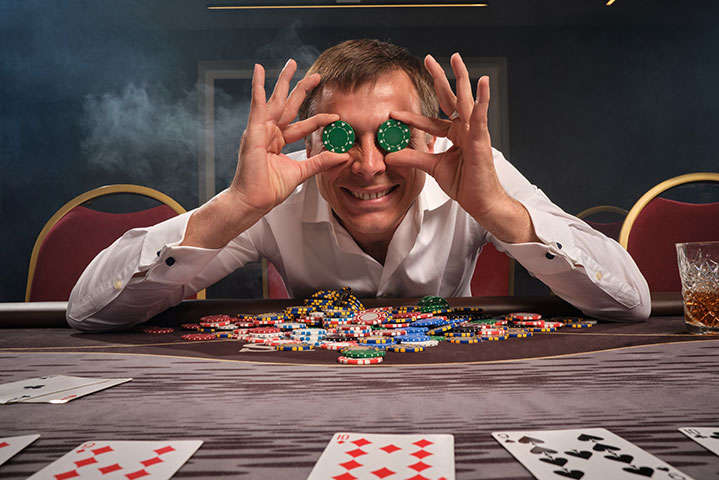
Exploring Responsible Gaming
At Chicken Subway Casino, we believe in fostering a responsible gaming environment. Our platform is designed to provide thrilling entertainment while encouraging players to engage in responsible gambling practices. With easy sign-up and user-friendly features, players can enjoy their gaming experience safely and responsibly.
We promote awareness about gambling addiction and offer tools to help players manage their gameplay effectively. Our commitment to providing a secure and enjoyable gaming experience is at the forefront of our mission, ensuring that fun never comes at the cost of well-being.